Good Films
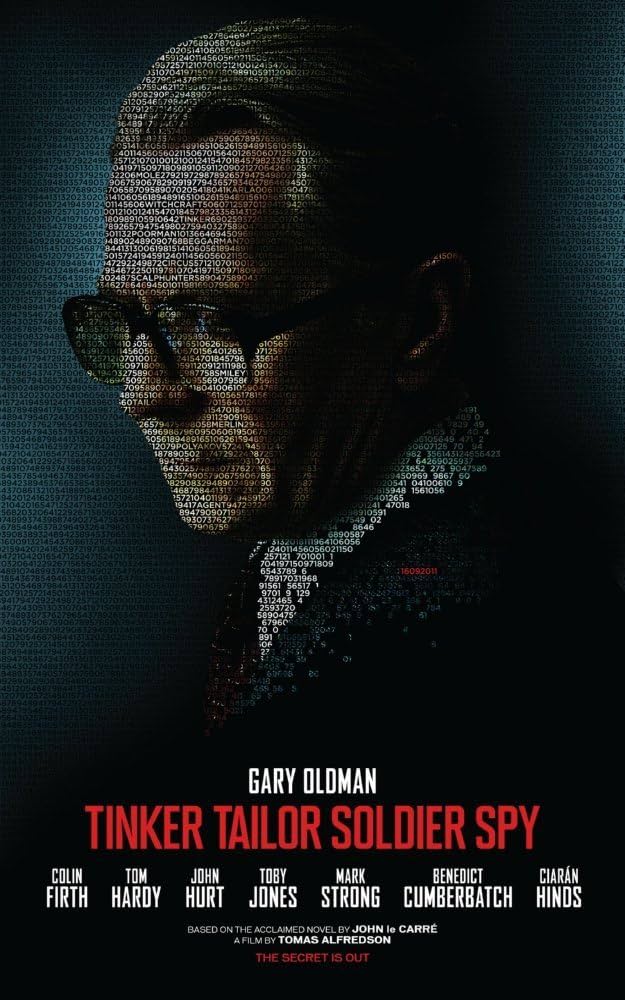
Psychological integrity and the integration of sound, image, score, and craft in Tinker Tailor Soldier Spy.
The Living Film is my conception of cinema as an organic expression of a character’s interior life.
When a character struggles, consciously or unconsciously, toward a life that has remained unlived, the film begins to generate its own dramatic necessity. That struggle produces the character’s actions and the unfolding narrative, but it also organizes the entirety of cinematic expression: performance, framing, movement, design, rhythm, editing, sound, and music. These are dimensions of the same interior dramatic event.
A living film takes its form from within. Its world emerges from the particular nature of the character’s becoming: what they fear, desire, resist, discover, and cannot yet bear to know. The filmworld is therefore more than a setting for the drama. It is the drama extending into image, sound, space, and time.
Whether the character’s quest succeeds or fails, it is their active struggle with the unlived life that gives the film its vitality. The Living Film proposes that the unity of a cinematic work arises from this organic principle: the whole expressive world grows from the interior dramatic life of the person at its center.
Maturational Narrative explores the dramatic process through which a person encounters, and potentially begins to live, possibilities of themselves that have previously remained unlived.
Every character enters a story with an established psychic organization: characteristic ways of feeling, perceiving, defending, relating, and acting. This organization has made their existing life possible, while leaving other possibilities of being outside their lived experience. Drama brings that existing person into consequential contact with circumstances that place their familiar ways of living under pressure.
Each successive action arises as the character’s most available attempt to manage the feelings and consequences of what has just occurred. Those actions generate new circumstances, new experiences, and further choices. Narrative progression therefore acquires a deeper continuity: the unfolding logic of the character’s psychic life.
Through this process, a previously unlived possibility of self may become enacted in the world. The character may embrace it, resist it, partially integrate it, or fail to accommodate it altogether. Maturation does not necessarily mean improvement or happiness, and the earlier self does not simply disappear. Dramatic becoming concerns the changing relationship between the person who has lived and the person who might yet live.
In this conception, drama makes possible personhood real through consequential action. Its fundamental movement is the encounter between an existing life and the life that remains to be lived.
Reflections on cinema, dramatic life, character, music, and the films that inspire me. Some are developed essays; others are observations, discoveries, and thoughts in progress.
Psychological integrity and the integration of sound, image, score, and craft in Tinker Tailor Soldier Spy.
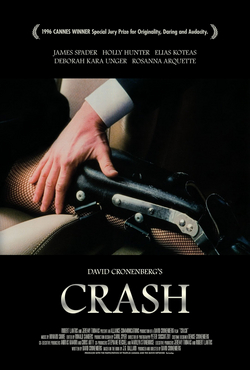
Howard Shore’s Crash score, its erotic and technological sonic world, and its relationship to film images.
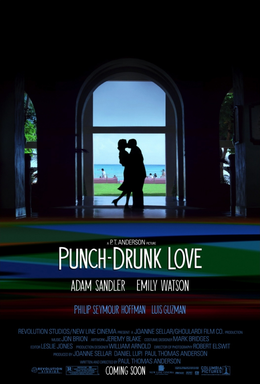
Character, consequences, and Barry’s inner music in Punch-Drunk Love.
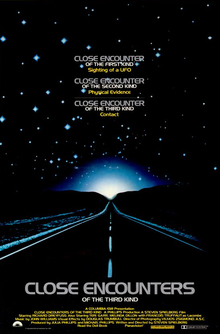
Attunement, image, rhythm, and John Williams’s score in Close Encounters of the Third Kind.
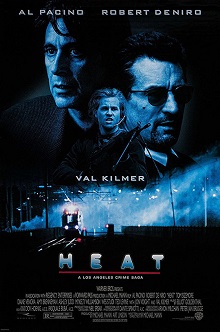
Independence and human connection as the opposing mental principles of Neil and Vincent in Heat.
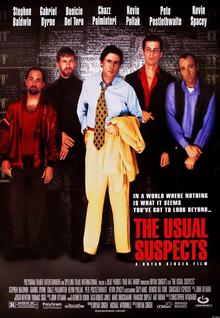
The contrasting musical and narrative worlds of The Usual Suspects and Pulp Fiction.
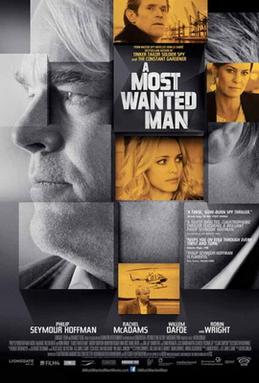
Vulnerability, institutional cynicism, and human fragility in A Most Wanted Man.
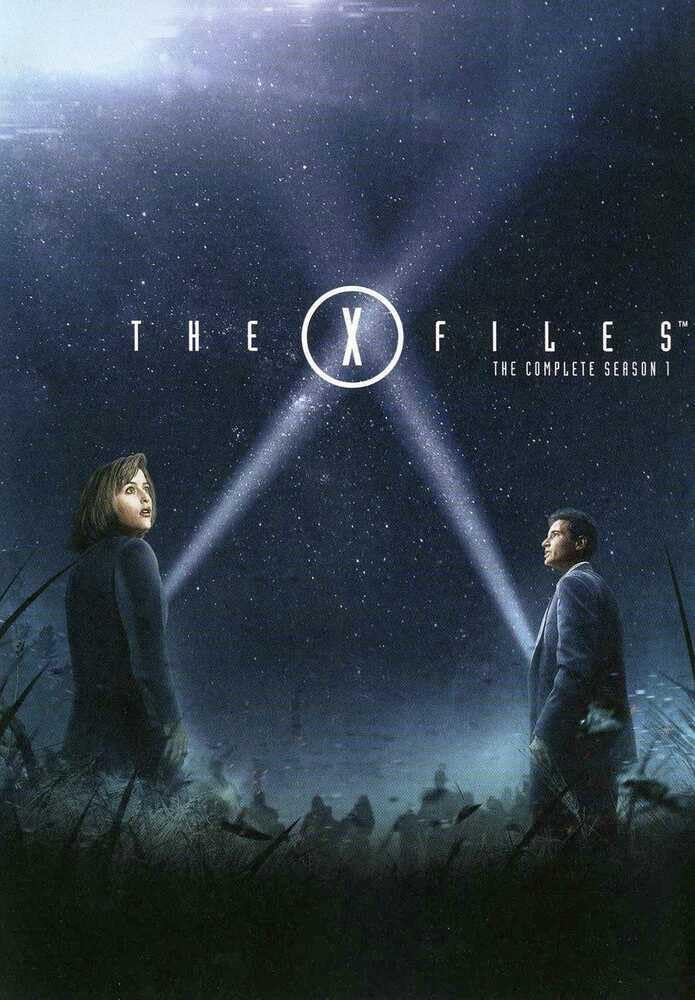
Gendered character roles and the integrated visual, sound, and score language of The X-Files Season One.
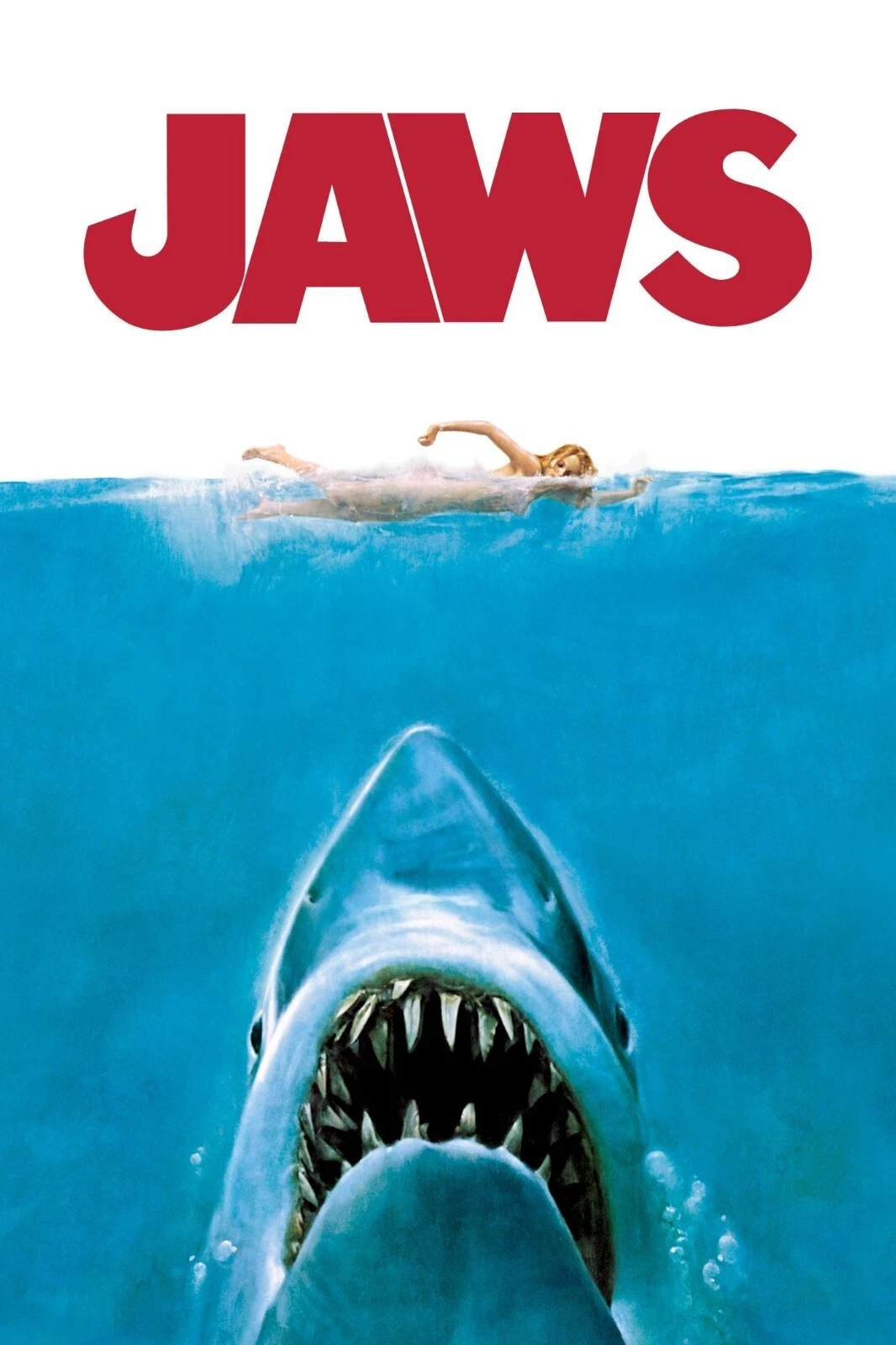
Mayor Vaughn’s character change and the protagonists’ different journeys in Jaws.
The Usual Suspects and Pulp Fiction inhabit diametrically opposed musical universes, each film’s sonic landscape embodying its narrative ethos and aesthetic lineage with almost diagrammatic clarity.
There are a few cultural artifacts that have changed my life. One of them is X-Files. Some call it The X-Files, but to assign it a thingness is to rid it of what makes it what it is. Mystery. Unconsciousness. Superscience. Supernature. Infinity. To call it X-Files is to know it is a world in itself. Season One (1993) is real X-Files. Every season after that is the attempt to capture X-Files, and none of them quite do it.
One of the things that makes real X-Files is the refusal of gendered norms. Mulder is feminine in his unknowing and love of unknowing. Scully is masculine in her knowing and love of knowing. She says, “What are you talking about?” He says, “I just feel it.” She says, “What does it mean?” He says, “I don’t know.”
From the Pilot onwards, Mulder stares into the light in awe; Scully bends to the ground to inspect.
Carter’s genius further led him to cast actors ripe for the roles. Duchovny is the erotic man. Anderson is the knowing woman. The electricity between them is the core of the series. It’s like a forbidden coalition. Carter elided eroticism with mystery, and no series truly did that before or since. Perhaps House of Cards Season One (2013), two decades later, comes close, both in terms of its protagonists and its world-describing scorescape.
The scoring approach to X-Files follows its genderflip. All TV series before X-Files use specificity and synchrony between audio and vision. Mark Snow’s X-Files music to Season One flips it. The music paints the world of the narrative before it paints the moment. Most TV music pre-X-Files is masculine because that’s what people who made those series believed the score should do. If Snow hadn’t been given the space to flip that model, X-Files wouldn’t have worked.
Snow invented X-Files music, some kind of dark synthesis between Vangelis as a container for Stravinsky.
This subversive synthesis of aesthetics extends to the entire soundscape. In a way that is unique in television, the interrelationship between dialogue, sound effects, and Snow’s score is integrated to form a homogeneous X-Files soundworld. There is no hierarchy in the dark beauty of the X-Files soundworld.
Visually, too, X-Files is not television; it is the first cinematic television. Its cinematography flows dark and inky, unclear, not the bright masculine clarity of all series before it. Every shot, too, casts us in a mist of unknowing before any concrete events emerge to the fore.
Across all dimensions of X-Files Season One, the thought processes and the visual and sonic presentation of Mulder and Scully defy gendered constriction.
Broadcast in September 1993, the series redefined television forever.
If we want to make interesting television, we must consider what we mustn’t do.
The Craft of Enacted Thought
Dramatic Form explores how a film acquires its dramatic life through the unfolding relationship between character, action, and the world.
Every scene places a character’s existing ways of feeling, knowing, and relating under pressure. Their response creates a new state of affairs, which becomes the starting condition of the next scene. Narrative develops through this continuous movement of psychic cause and consequence, as characters encounter experiences that challenge their established sense of themselves and their world.
The course examines the relationship between individual dramatic scenes and the form of the whole film: how genre establishes a world of possibilities and moral values; how dramatic encounters reveal and develop the psychological texture of characters; and how successive actions accumulate into a larger process of transformation, integration, or tragedy.
For writers, directors, and film creatives, Dramatic Form offers an understanding of dramatic structure as something generated from within the unfolding life of the film itself. Its central concern is cinema as enacted thought: the transformation of interior human experience into consequential dramatic action.
Explore Dramatic FormA Cinematic Sensibility
Dramatic Score explores film music as a form of dramatic insight: an expressive intelligence participating in the inner life of cinema.
Music can embody a character’s experience, reveal what remains unspoken, conceal a truth, deepen an ambiguity, or contradict what the image appears to tell us. It can reinforce, complicate, or transform our understanding of a dramatic moment. In these ways, music becomes an active participant in the film’s thinking, rather than merely an accompaniment to its images and emotions.
The course approaches cinema as an integrated expressive organism, in which character, story, performance, image, editing, sound, and music belong to a single developing world. It examines how musical choices acquire their meaning through their relationships with that world: its particular psychology, values, tensions, rhythms, and unfolding dramatic life.
Designed for composers and filmmakers, Dramatic Score develops cinematic sensibility: the ability to perceive what a film is, what it needs, and what music can uniquely contribute to its dramatic becoming. Its central concern is the composer’s capacity to think cinematically, discovering music that arises organically from the film’s own interior life.
Explore Dramatic Score