Good Films
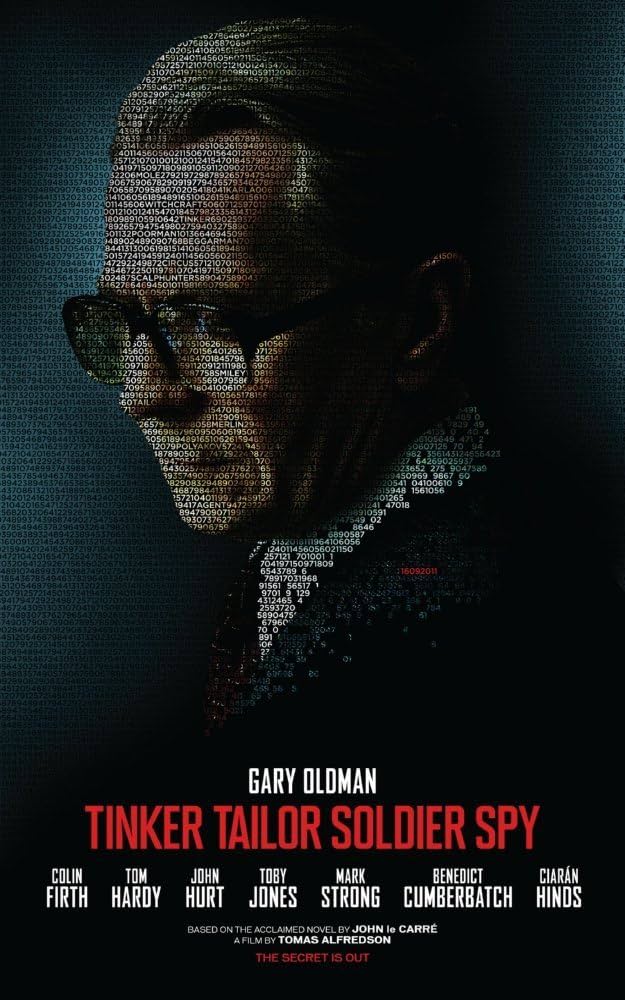
Psychological integrity and the integration of sound, image, score, and craft in Tinker Tailor Soldier Spy.
The Living Film is my conception of cinema as an organic expression of a character’s interior life.
When a character struggles, consciously or unconsciously, toward a life that has remained unlived, the film begins to generate its own dramatic necessity. That struggle produces the character’s actions and the unfolding narrative, but it also organizes the entirety of cinematic expression: performance, framing, movement, design, rhythm, editing, sound, and music. These are dimensions of the same interior dramatic event.
A living film takes its form from within. Its world emerges from the particular nature of the character’s becoming: what they fear, desire, resist, discover, and cannot yet bear to know. The filmworld is therefore more than a setting for the drama. It is the drama extending into image, sound, space, and time.
Whether the character’s quest succeeds or fails, it is their active struggle with the unlived life that gives the film its vitality. The Living Film proposes that the unity of a cinematic work arises from this organic principle: the whole expressive world grows from the interior dramatic life of the person at its center.
Maturational Narrative explores the dramatic process through which a person encounters, and potentially begins to live, possibilities of themselves that have previously remained unlived.
Every character enters a story with an established psychic organization: characteristic ways of feeling, perceiving, defending, relating, and acting. This organization has made their existing life possible, while leaving other possibilities of being outside their lived experience. Drama brings that existing person into consequential contact with circumstances that place their familiar ways of living under pressure.
Each successive action arises as the character’s most available attempt to manage the feelings and consequences of what has just occurred. Those actions generate new circumstances, new experiences, and further choices. Narrative progression therefore acquires a deeper continuity: the unfolding logic of the character’s psychic life.
Through this process, a previously unlived possibility of self may become enacted in the world. The character may embrace it, resist it, partially integrate it, or fail to accommodate it altogether. Maturation does not necessarily mean improvement or happiness, and the earlier self does not simply disappear. Dramatic becoming concerns the changing relationship between the person who has lived and the person who might yet live.
In this conception, drama makes possible personhood real through consequential action. Its fundamental movement is the encounter between an existing life and the life that remains to be lived.
Reflections on cinema, dramatic life, character, music, and the films that inspire me. Some are developed essays; others are observations, discoveries, and thoughts in progress.
Psychological integrity and the integration of sound, image, score, and craft in Tinker Tailor Soldier Spy.
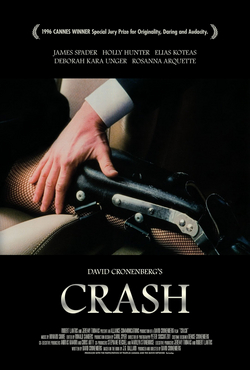
Howard Shore’s Crash score, its erotic and technological sonic world, and its relationship to film images.
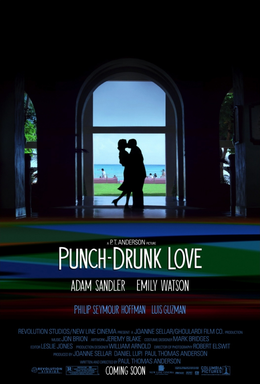
Character, consequences, and Barry’s inner music in Punch-Drunk Love.
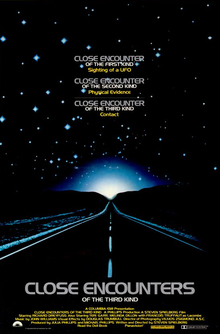
Attunement, image, rhythm, and John Williams’s score in Close Encounters of the Third Kind.
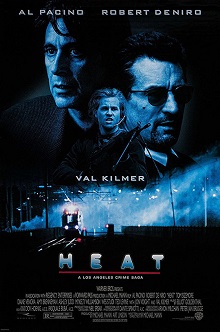
Independence and human connection as the opposing mental principles of Neil and Vincent in Heat.
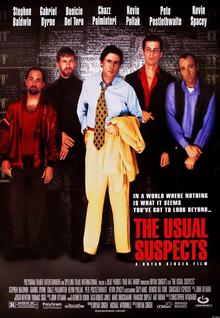
The contrasting musical and narrative worlds of The Usual Suspects and Pulp Fiction.
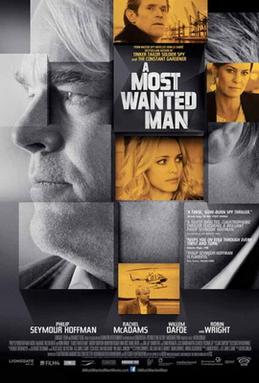
Vulnerability, institutional cynicism, and human fragility in A Most Wanted Man.
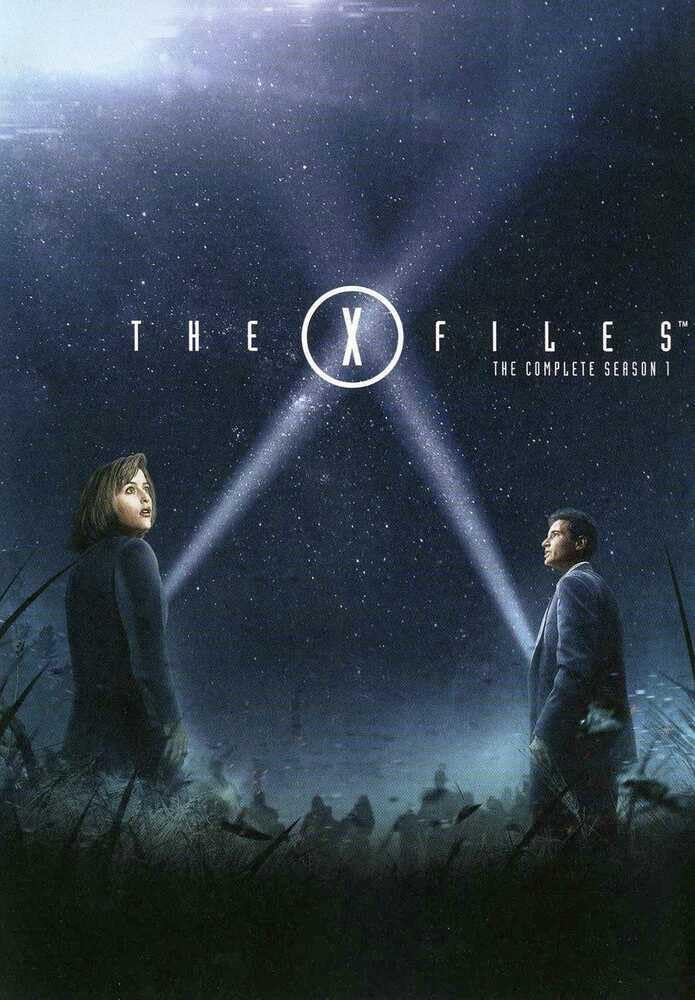
Gendered character roles and the integrated visual, sound, and score language of The X-Files Season One.
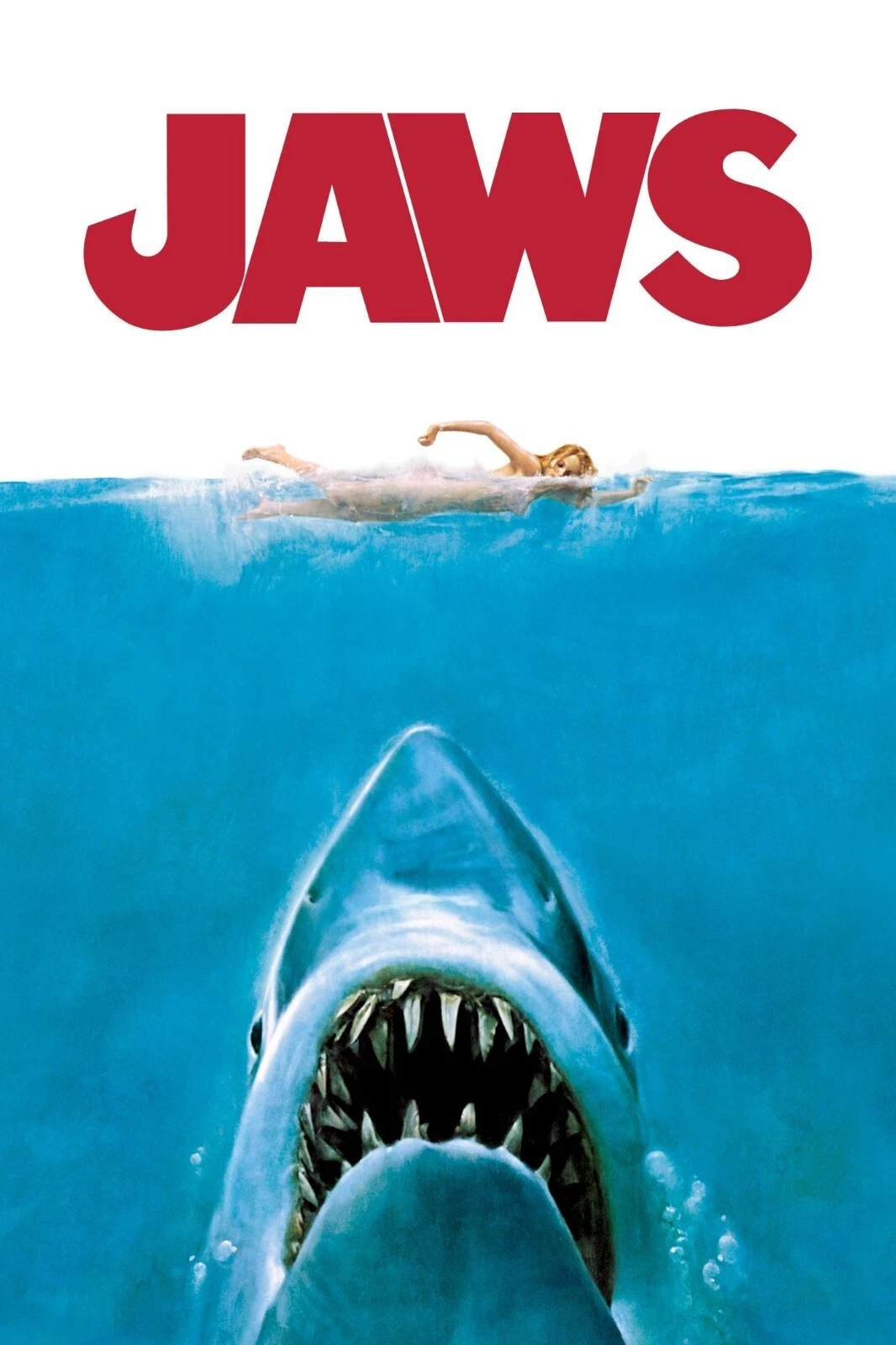
Mayor Vaughn’s character change and the protagonists’ different journeys in Jaws.
The Usual Suspects and Pulp Fiction inhabit diametrically opposed musical universes, each film’s sonic landscape embodying its narrative ethos and aesthetic lineage with almost diagrammatic clarity.
What’s a good film?
A story of psychological integrity told with integrity of craft.
How do you make a good film?
Find a story of psychological integrity and execute it with integrity of media.
How hard is it to make a good film?
Given the demands of people, time, and resources, integrating the operations of audio and visual media is difficult. Most productions struggle deeply with this fundamental task, but the best films show us that it can be done. Their example can inspire us to aim for the sophistication of their integration of psychology and media.
From the outset, Tinker Tailor is an excellent film. Integrity and economy go hand in hand: style is deployed efficiently, with no moment wasted. The 15-minute opening titles are among the longest I can think of. Through them and the entire first half of the first act, languid yet dense with information, the looks, cuts, sounds, melodies, and gestures are complete yet halting, unfinished. Like any other day in the intelligence service.
The score drinks deep from the world the film conveys. It hesitates, pauses, and stops for a moment to think or gather its thoughts, then steps boldly on. Slow trumpet and clarinet lines signal sad fanfares as Control and Smiley leave MI6 for the last time. These solo instruments, set into crystal-clear sonic relief, are loners, too. It’s all over, they seem to cry. Things will never be the same again.
Like any good integrated mix, the score belongs within the soundscape, not simply over it as accompaniment. Like the thoughts of spies, the soundworld divides into foreground, middle, and background. Distant echoes of past events intermingle with stridency and the humdrum of bureaucracy.
There’s no way that Smiley in Hampstead can hear Control’s hospital death. Yet when we hear the distant smash of a broken bottle, Smiley’s head turns as if he has heard something, and the film cuts to Control’s limp, lifeless body. This tells us everything: not only that their minds are connected, but that this is not supernatural; it is the natural function of years, maybe decades, of ‘service’ together in the Circus. It also tells us that Smiley can read people before they speak. Smiley listens. So does the film. It listens to itself, the hallmark of any integrated artwork.
The jazz-inflected instrumental score continues its stylistic mélange. It moves slowly and steadily, like our thoughtful characters’ minds, yet racing strings infect it with urgency when fear comes knocking. There isn’t a score like it, and words cannot fully contain it. This is always a good sign: the integration of elements supersedes their discrete identities. The subtle fluidity with which this score moves between its stylistic elements is unmatched. Made in 2011, the score distinguishes itself further by refusing all electronica. Real instruments played by real people sound the thoughts and states of mind of people. Smiley’s theme, which returns at opportune moments, is heard in full on a harp as he walks home alone to begin retirement proper. Why the harp? Delicate, graceful, precise. Smiley.
Fifteen minutes, and we’ve only scratched the surface of the information conveyed. Prideaux’s Hungarian catastrophe. Control’s suspicion. Daily life at the Circus. A variety of relationships. A visual world saturated with so much integrated detail that it overwhelms.
Already, the way the media is used expresses the characters’ attitudes. The film avoids melodramatic excess, definite pointers, and emotional answers. Instead, it presents the characters as they are: people wandering the hallways of confusion and thoughtfulness. This leaves us in the same mental space they occupy, finding our own way through it as they do.
Everything in the narrative, sonic, and visual realms relates to everything else within one homogeneous cinematic world. This is film used to convey characters who drive the evolution of plot. Sound and vision move in dynamic tandem with character. A good film.
The Craft of Enacted Thought
Dramatic Form explores how a film acquires its dramatic life through the unfolding relationship between character, action, and the world.
Every scene places a character’s existing ways of feeling, knowing, and relating under pressure. Their response creates a new state of affairs, which becomes the starting condition of the next scene. Narrative develops through this continuous movement of psychic cause and consequence, as characters encounter experiences that challenge their established sense of themselves and their world.
The course examines the relationship between individual dramatic scenes and the form of the whole film: how genre establishes a world of possibilities and moral values; how dramatic encounters reveal and develop the psychological texture of characters; and how successive actions accumulate into a larger process of transformation, integration, or tragedy.
For writers, directors, and film creatives, Dramatic Form offers an understanding of dramatic structure as something generated from within the unfolding life of the film itself. Its central concern is cinema as enacted thought: the transformation of interior human experience into consequential dramatic action.
Explore Dramatic FormA Cinematic Sensibility
Dramatic Score explores film music as a form of dramatic insight: an expressive intelligence participating in the inner life of cinema.
Music can embody a character’s experience, reveal what remains unspoken, conceal a truth, deepen an ambiguity, or contradict what the image appears to tell us. It can reinforce, complicate, or transform our understanding of a dramatic moment. In these ways, music becomes an active participant in the film’s thinking, rather than merely an accompaniment to its images and emotions.
The course approaches cinema as an integrated expressive organism, in which character, story, performance, image, editing, sound, and music belong to a single developing world. It examines how musical choices acquire their meaning through their relationships with that world: its particular psychology, values, tensions, rhythms, and unfolding dramatic life.
Designed for composers and filmmakers, Dramatic Score develops cinematic sensibility: the ability to perceive what a film is, what it needs, and what music can uniquely contribute to its dramatic becoming. Its central concern is the composer’s capacity to think cinematically, discovering music that arises organically from the film’s own interior life.
Explore Dramatic Score