Good Films
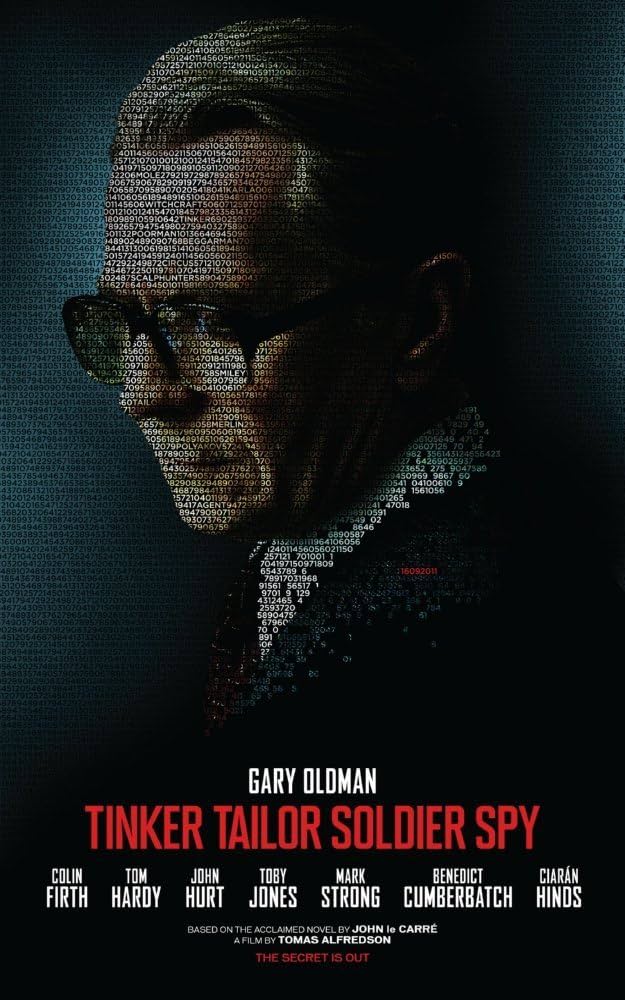
Psychological integrity and the integration of sound, image, score, and craft in Tinker Tailor Soldier Spy.
The Living Film is my conception of cinema as an organic expression of a character’s interior life.
When a character struggles, consciously or unconsciously, toward a life that has remained unlived, the film begins to generate its own dramatic necessity. That struggle produces the character’s actions and the unfolding narrative, but it also organizes the entirety of cinematic expression: performance, framing, movement, design, rhythm, editing, sound, and music. These are dimensions of the same interior dramatic event.
A living film takes its form from within. Its world emerges from the particular nature of the character’s becoming: what they fear, desire, resist, discover, and cannot yet bear to know. The filmworld is therefore more than a setting for the drama. It is the drama extending into image, sound, space, and time.
Whether the character’s quest succeeds or fails, it is their active struggle with the unlived life that gives the film its vitality. The Living Film proposes that the unity of a cinematic work arises from this organic principle: the whole expressive world grows from the interior dramatic life of the person at its center.
Maturational Narrative explores the dramatic process through which a person encounters, and potentially begins to live, possibilities of themselves that have previously remained unlived.
Every character enters a story with an established psychic organization: characteristic ways of feeling, perceiving, defending, relating, and acting. This organization has made their existing life possible, while leaving other possibilities of being outside their lived experience. Drama brings that existing person into consequential contact with circumstances that place their familiar ways of living under pressure.
Each successive action arises as the character’s most available attempt to manage the feelings and consequences of what has just occurred. Those actions generate new circumstances, new experiences, and further choices. Narrative progression therefore acquires a deeper continuity: the unfolding logic of the character’s psychic life.
Through this process, a previously unlived possibility of self may become enacted in the world. The character may embrace it, resist it, partially integrate it, or fail to accommodate it altogether. Maturation does not necessarily mean improvement or happiness, and the earlier self does not simply disappear. Dramatic becoming concerns the changing relationship between the person who has lived and the person who might yet live.
In this conception, drama makes possible personhood real through consequential action. Its fundamental movement is the encounter between an existing life and the life that remains to be lived.
Reflections on cinema, dramatic life, character, music, and the films that inspire me. Some are developed essays; others are observations, discoveries, and thoughts in progress.
Psychological integrity and the integration of sound, image, score, and craft in Tinker Tailor Soldier Spy.
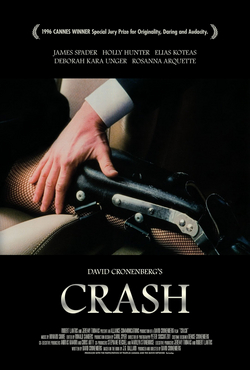
Howard Shore’s Crash score, its erotic and technological sonic world, and its relationship to film images.
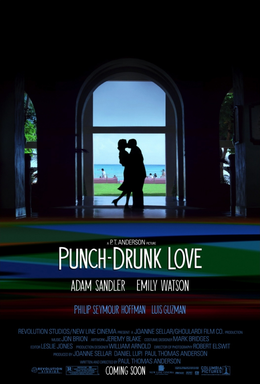
Character, consequences, and Barry’s inner music in Punch-Drunk Love.
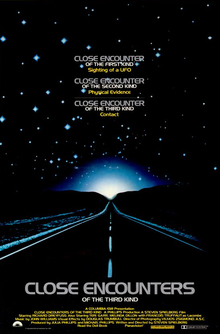
Attunement, image, rhythm, and John Williams’s score in Close Encounters of the Third Kind.
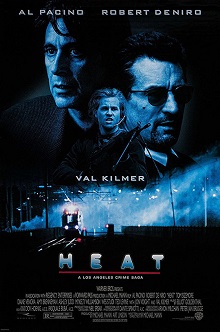
Independence and human connection as the opposing mental principles of Neil and Vincent in Heat.
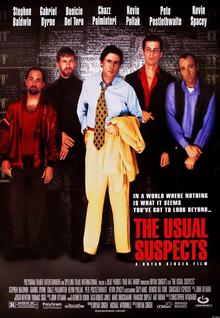
The contrasting musical and narrative worlds of The Usual Suspects and Pulp Fiction.
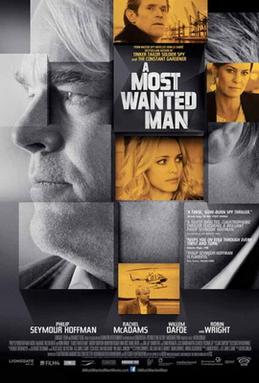
Vulnerability, institutional cynicism, and human fragility in A Most Wanted Man.
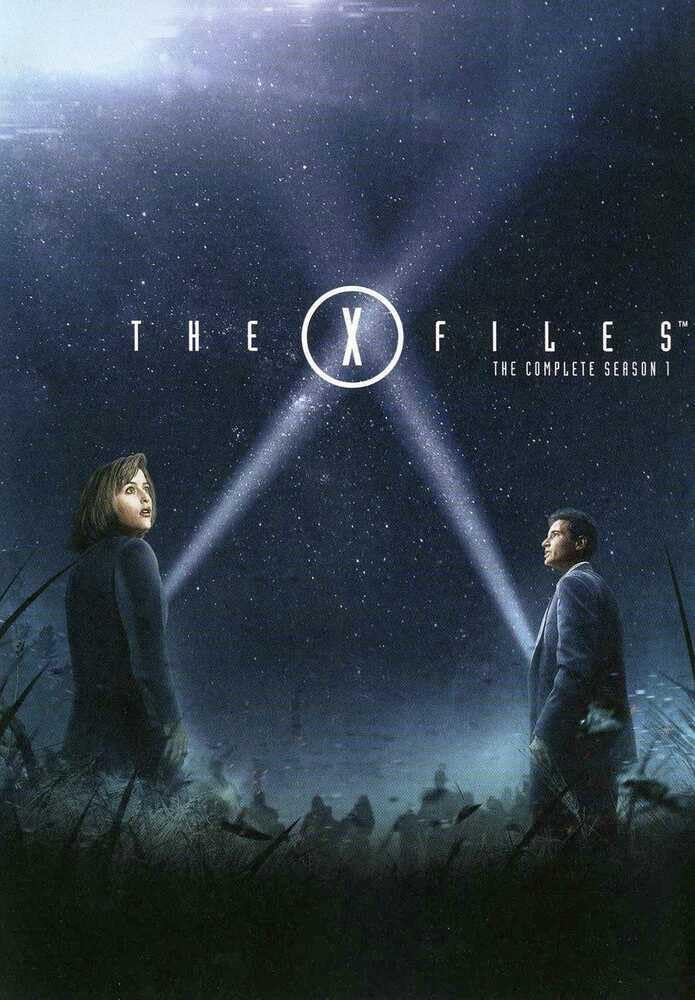
Gendered character roles and the integrated visual, sound, and score language of The X-Files Season One.
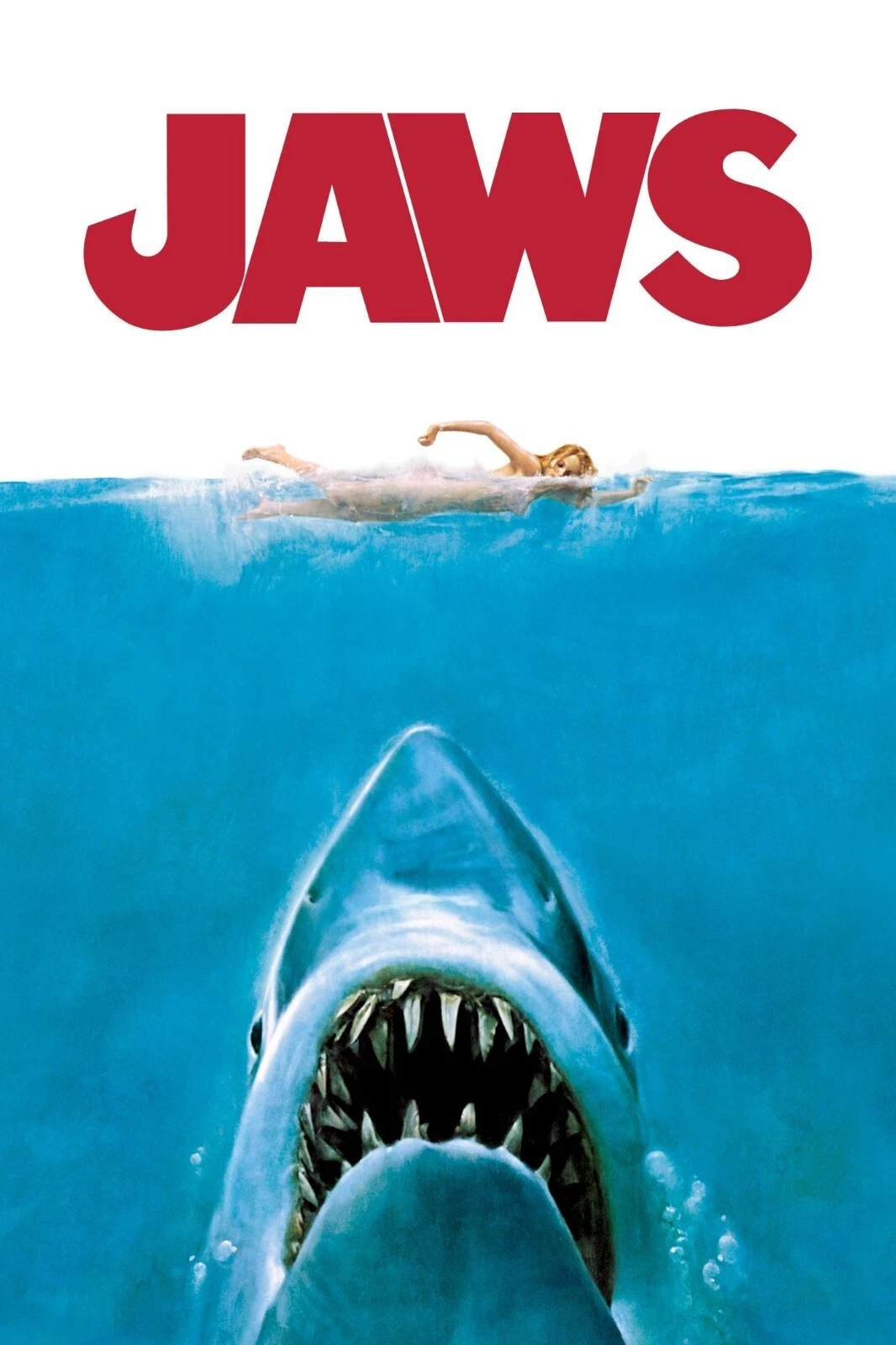
Mayor Vaughn’s character change and the protagonists’ different journeys in Jaws.
The Usual Suspects and Pulp Fiction inhabit diametrically opposed musical universes, each film’s sonic landscape embodying its narrative ethos and aesthetic lineage with almost diagrammatic clarity.
In Cronenberg’s Crash, that perfect cinematic essay from JG Ballard’s novel on the desperate search for desire in a dead relationship, composer Howard Shore doesn’t score plot: he scores states of Ballardian desire. The music seduces our minds and selves by holding us hostage inside a sonic world of forbidden freedoms, some kind of ‘aural zone’ where erotic curiosity and the risk of damage become the same fused current.
Howard Shore takes an approach to scoring this film that is unique both in his output and in scoring in general. To express the core nature of the film, its Crashness, there are several roads in: instrumental texture, the use of motif, harmony, and musical production.
First, Shore’s instrumental ensemble (six electric guitars, three harps, three woodwinds, two percussionists) carries the score’s thesis, its attitude and dramatic goals. These acoustic ‘bodies’ are wired, processed, and spatialized so that ‘human’ and ‘technological’ sonically coalesce. The instrumentation becomes a metaphor for the core meaning of Crash.
Rather than an acoustic guitar, Shore precisely chooses the electric guitar, which functions as a fetishized metal/flesh hybrid: an electrified version of a wooden instrument, as if someone were picking and strumming the front grille of a car.
Shore foregrounds the score’s technological becoming (written, performed, recorded, processed, synchronized) so that the method of making sound is part of its meaning. The music becomes a technical object among technical objects, as constitutive of the film’s machinery as the camera and the edit.
Unlike leitmotivic filmscores, where many characters or ideas are identified with many tunes, in Crash no character owns their own tune. One shared musical figure, call it Crash music, circulates through Ballard, Catherine, and Vaughan. This Crash music expresses their global destinies of desire, rather than specific identity tags. The score signals a present psychic state, whoever is onscreen.
This primary figure rocks, back and forth, around a central note, on either side of safety, slowly, like breath held, or desire unfulfilled, or a mind unsettled.
In the cue ‘Triton’, the motion tightens, keeping us locked between sanctuary and fall, even more intensely unable to find fulfilment. The electric guitar’s upper register here carries a half-scream, half-pleasure vocal signature, while intervals of open fifths, unresolved by design, leave the self exposed and vulnerable.
Beneath that upper tremble, we hear fragmented lower figures cranking like a reluctant starter motor. Spader’s notion of the crash as ‘inner ignition’ finds its analogue here: the music doesn’t simply accompany desire; it becomes the dimension through which the film’s desires move. Musical sheets of stuttering, rocking metal arouse the system and keep the characters from satiation.
Rather than moving through various modalities, minor and major, Shore keeps us within a fixed minor key center. The result is an emphatic circularity that rarely permits escape. Our core figure in this minor-key world refuses to mature into some full-blown ‘melody’ or an ‘accompaniment’.
Shore produces the score so that it sounds like the electric-human world it emerges from. The metallic timbres of the instruments float in exaggerated, unnatural reverbs. Ideas echo and repeat endlessly. We can hear loudly how artificial that reverb is: it doesn’t really come from being in a real space.
The score seems to sound from within the imagination behind the diegesis, as if within the characters’ psychic rooms. The musical space itself becomes eroticized, a dark pool where the suspension of ‘motivic safety’ feels luxuriant. Like the characters, we feel we can risk anything in this space. We can even try to cheat death.
In terms of the relationship between image and sound, vertically, Shore avoids tight synch; the music does not bob-and-weave around dialogue or gesture.
Horizontally, in terms of the placement of the score during scenes, the music’s arrivals and disappearances are unpredictable and varied. Shore’s cues do not loudly point or pay off, but form a weaving, intermittent current that tracks the starts and stalls of meaning onscreen. The camera’s own gliding dream-state finds its musical twin. Sound and Image fuse.
Ultimately, the score’s textures soothe as much as they derail. Without its languid vibrations the film might be an unbearable open wound. With the score, the viewer is sweetly seduced into its between-space and disarmed enough to be deeply affected, even changed by it. There is no other music or film music like it, and its uniqueness goes deep inside both us and the characters onscreen, who seem affected by its sounds in a dreamlike and impossibly fused manner. The score is an erotics of the irreparable, Ballard’s novel uniquely transposed into sound.
The result is a score that literalizes Crash’s psychic mechanics: instrumentation as thesis, production as ontology, texture as touch, harmony as trap, form as drifting current. This is music not about desire but made from it.
The Craft of Enacted Thought
Dramatic Form explores how a film acquires its dramatic life through the unfolding relationship between character, action, and the world.
Every scene places a character’s existing ways of feeling, knowing, and relating under pressure. Their response creates a new state of affairs, which becomes the starting condition of the next scene. Narrative develops through this continuous movement of psychic cause and consequence, as characters encounter experiences that challenge their established sense of themselves and their world.
The course examines the relationship between individual dramatic scenes and the form of the whole film: how genre establishes a world of possibilities and moral values; how dramatic encounters reveal and develop the psychological texture of characters; and how successive actions accumulate into a larger process of transformation, integration, or tragedy.
For writers, directors, and film creatives, Dramatic Form offers an understanding of dramatic structure as something generated from within the unfolding life of the film itself. Its central concern is cinema as enacted thought: the transformation of interior human experience into consequential dramatic action.
Explore Dramatic FormA Cinematic Sensibility
Dramatic Score explores film music as a form of dramatic insight: an expressive intelligence participating in the inner life of cinema.
Music can embody a character’s experience, reveal what remains unspoken, conceal a truth, deepen an ambiguity, or contradict what the image appears to tell us. It can reinforce, complicate, or transform our understanding of a dramatic moment. In these ways, music becomes an active participant in the film’s thinking, rather than merely an accompaniment to its images and emotions.
The course approaches cinema as an integrated expressive organism, in which character, story, performance, image, editing, sound, and music belong to a single developing world. It examines how musical choices acquire their meaning through their relationships with that world: its particular psychology, values, tensions, rhythms, and unfolding dramatic life.
Designed for composers and filmmakers, Dramatic Score develops cinematic sensibility: the ability to perceive what a film is, what it needs, and what music can uniquely contribute to its dramatic becoming. Its central concern is the composer’s capacity to think cinematically, discovering music that arises organically from the film’s own interior life.
Explore Dramatic Score