Good Films
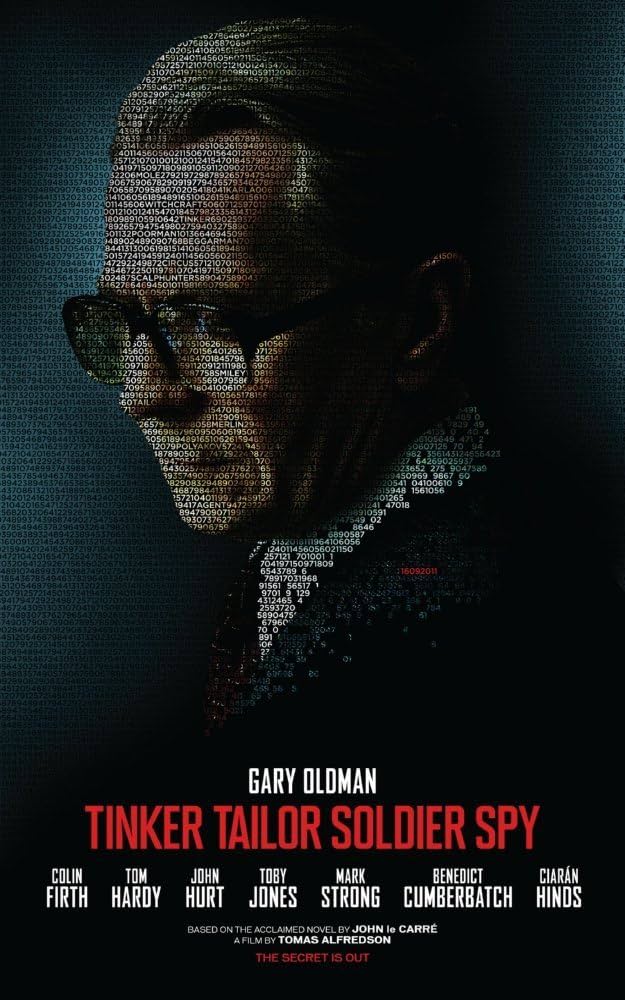
Psychological integrity and the integration of sound, image, score, and craft in Tinker Tailor Soldier Spy.
The Living Film is my conception of cinema as an organic expression of a character’s interior life.
When a character struggles, consciously or unconsciously, toward a life that has remained unlived, the film begins to generate its own dramatic necessity. That struggle produces the character’s actions and the unfolding narrative, but it also organizes the entirety of cinematic expression: performance, framing, movement, design, rhythm, editing, sound, and music. These are dimensions of the same interior dramatic event.
A living film takes its form from within. Its world emerges from the particular nature of the character’s becoming: what they fear, desire, resist, discover, and cannot yet bear to know. The filmworld is therefore more than a setting for the drama. It is the drama extending into image, sound, space, and time.
Whether the character’s quest succeeds or fails, it is their active struggle with the unlived life that gives the film its vitality. The Living Film proposes that the unity of a cinematic work arises from this organic principle: the whole expressive world grows from the interior dramatic life of the person at its center.
Maturational Narrative explores the dramatic process through which a person encounters, and potentially begins to live, possibilities of themselves that have previously remained unlived.
Every character enters a story with an established psychic organization: characteristic ways of feeling, perceiving, defending, relating, and acting. This organization has made their existing life possible, while leaving other possibilities of being outside their lived experience. Drama brings that existing person into consequential contact with circumstances that place their familiar ways of living under pressure.
Each successive action arises as the character’s most available attempt to manage the feelings and consequences of what has just occurred. Those actions generate new circumstances, new experiences, and further choices. Narrative progression therefore acquires a deeper continuity: the unfolding logic of the character’s psychic life.
Through this process, a previously unlived possibility of self may become enacted in the world. The character may embrace it, resist it, partially integrate it, or fail to accommodate it altogether. Maturation does not necessarily mean improvement or happiness, and the earlier self does not simply disappear. Dramatic becoming concerns the changing relationship between the person who has lived and the person who might yet live.
In this conception, drama makes possible personhood real through consequential action. Its fundamental movement is the encounter between an existing life and the life that remains to be lived.
Reflections on cinema, dramatic life, character, music, and the films that inspire me. Some are developed essays; others are observations, discoveries, and thoughts in progress.
Psychological integrity and the integration of sound, image, score, and craft in Tinker Tailor Soldier Spy.
Howard Shore’s Crash score, its erotic and technological sonic world, and its relationship to film images.
Character, consequences, and Barry’s inner music in Punch-Drunk Love.
Attunement, image, rhythm, and John Williams’s score in Close Encounters of the Third Kind.
Independence and human connection as the opposing mental principles of Neil and Vincent in Heat.
The contrasting musical and narrative worlds of The Usual Suspects and Pulp Fiction.
Vulnerability, institutional cynicism, and human fragility in A Most Wanted Man.
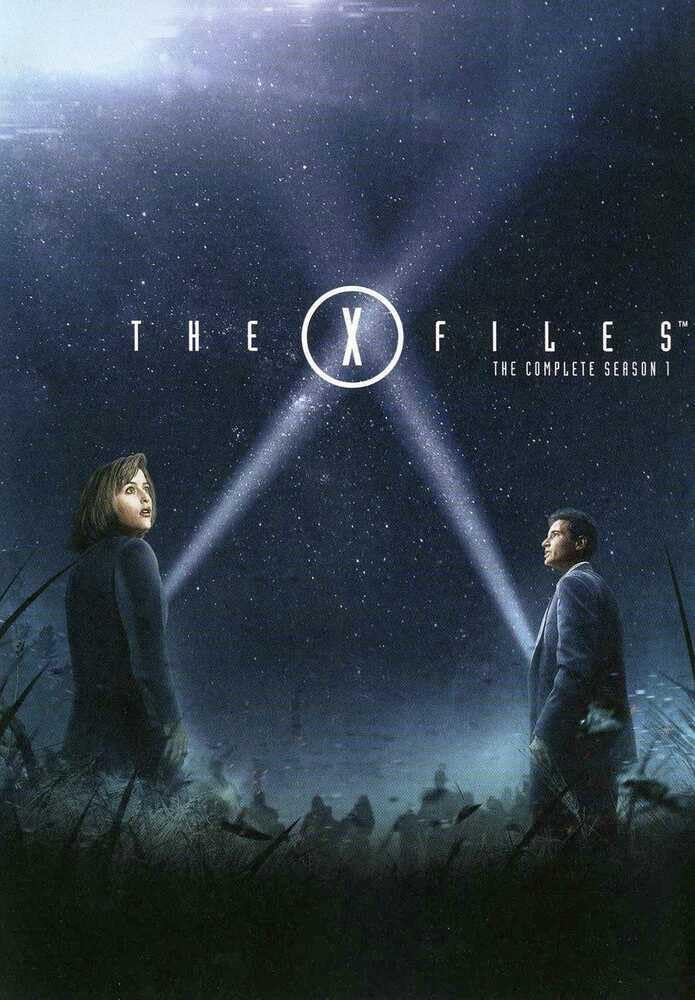
Gendered character roles and the integrated visual, sound, and score language of The X-Files Season One.
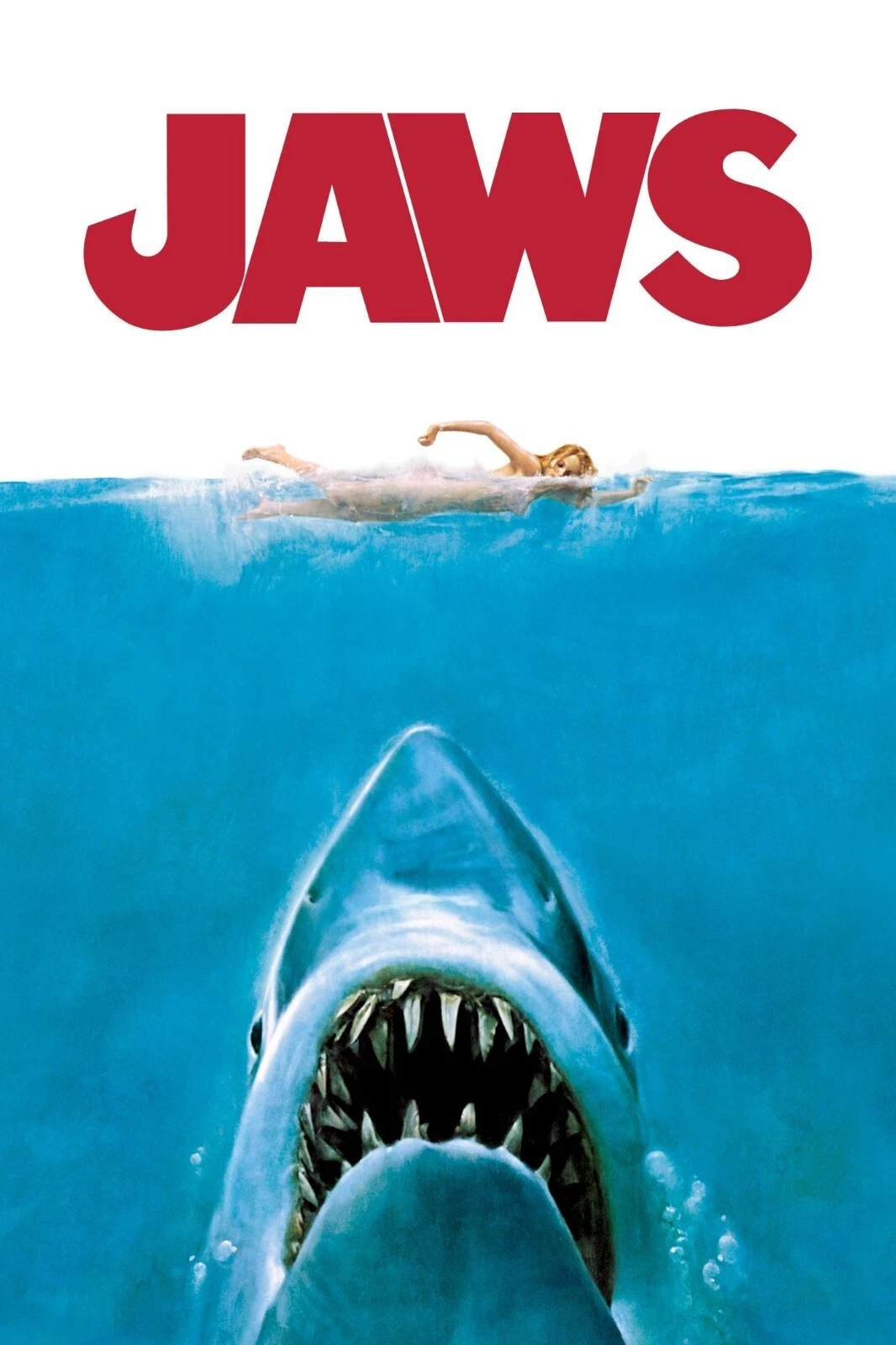
Mayor Vaughn’s character change and the protagonists’ different journeys in Jaws.
The Usual Suspects and Pulp Fiction inhabit diametrically opposed musical universes, each film’s sonic landscape embodying its narrative ethos and aesthetic lineage with almost diagrammatic clarity.
Heat is a perfect example of character-engendered outcome. The plot doesn’t drive the characters; the characters drive the plot. Everything that happens is a function of what they believe and how they think.
Characters in this sense aren’t so much people as representations of thought processes. Physical representations of thoughts and algorithms of thinking.
“Who and what each character is, and sets up for himself, determines what happens to them. The conceit of the film is that the laws of cause and effect are what will befall you.” (Michael Mann)
By being diametrically symmetric, Neil and Vincent are locked in a spiral in which only one will survive. Not because of some plot shenanigans; because of the way they make decisions. Neil values independence above connection. Vincent chooses humanity. In this way Neil chooses fate, and Vincent chooses destiny.
Heat becomes a story about the inescapability of humanity. Neil believes he can get away with it; it’s his attempt at obsessional omnipotence - the refusal to commit to anything other than the wish to determine reality. But as the actions of the drama lay out in all their bloody, precise glory, it is impossible to annul humanity as a human being. We all need connection. No one can truly survive by renouncing others, neither mentally nor physically. Heat expresses this insight through the metaphor of cinematic action.
Neil’s tragedy is that he attempts to undo his obsessional godlike attitude to existing and existence. He elects to be “spontaneous in his emotional commitment to Edie” (Mann). But nothing can erase Neil’s founding mental principle. At the last, Neil turns back to his grounding preconception: I must be independent of souls.
Neil never asks himself the most important question: Why? Why commit to that? To ensure a life of effortless, impeccable crime, sure. But why that? He comes close to that in the midpoint mutual interrogation coffee scene with Vincent. They even analyze each other’s dreams. But they don’t come close to answering the biggest question of all: Why? Their preconceptions in life remain in place, unperturbed, undismantled.
These trajectories of mentality lead them both to the film’s final image. Neil shot by Vincent; Vincent holding Neil’s hand as the life passes from him. Both surrounded by the concrete transitional brutality of LAX. One passing into death, the other into more life.
Neil was dead before the film began, both in himself and in the trajectory of his physical existence. He had refused his own humanity. Vincent would always go on to try and fail to be a human being.
As Mann clarifies,
“Most of what happens in our lives is what we have cause to have happen. And sometimes it’s impossible to undo the interlacing strings of causality.”
The Craft of Enacted Thought
Dramatic Form explores how a film acquires its dramatic life through the unfolding relationship between character, action, and the world.
Every scene places a character’s existing ways of feeling, knowing, and relating under pressure. Their response creates a new state of affairs, which becomes the starting condition of the next scene. Narrative develops through this continuous movement of psychic cause and consequence, as characters encounter experiences that challenge their established sense of themselves and their world.
The course examines the relationship between individual dramatic scenes and the form of the whole film: how genre establishes a world of possibilities and moral values; how dramatic encounters reveal and develop the psychological texture of characters; and how successive actions accumulate into a larger process of transformation, integration, or tragedy.
For writers, directors, and film creatives, Dramatic Form offers an understanding of dramatic structure as something generated from within the unfolding life of the film itself. Its central concern is cinema as enacted thought: the transformation of interior human experience into consequential dramatic action.
Explore Dramatic FormA Cinematic Sensibility
Dramatic Score explores film music as a form of dramatic insight: an expressive intelligence participating in the inner life of cinema.
Music can embody a character’s experience, reveal what remains unspoken, conceal a truth, deepen an ambiguity, or contradict what the image appears to tell us. It can reinforce, complicate, or transform our understanding of a dramatic moment. In these ways, music becomes an active participant in the film’s thinking, rather than merely an accompaniment to its images and emotions.
The course approaches cinema as an integrated expressive organism, in which character, story, performance, image, editing, sound, and music belong to a single developing world. It examines how musical choices acquire their meaning through their relationships with that world: its particular psychology, values, tensions, rhythms, and unfolding dramatic life.
Designed for composers and filmmakers, Dramatic Score develops cinematic sensibility: the ability to perceive what a film is, what it needs, and what music can uniquely contribute to its dramatic becoming. Its central concern is the composer’s capacity to think cinematically, discovering music that arises organically from the film’s own interior life.
Explore Dramatic Score